
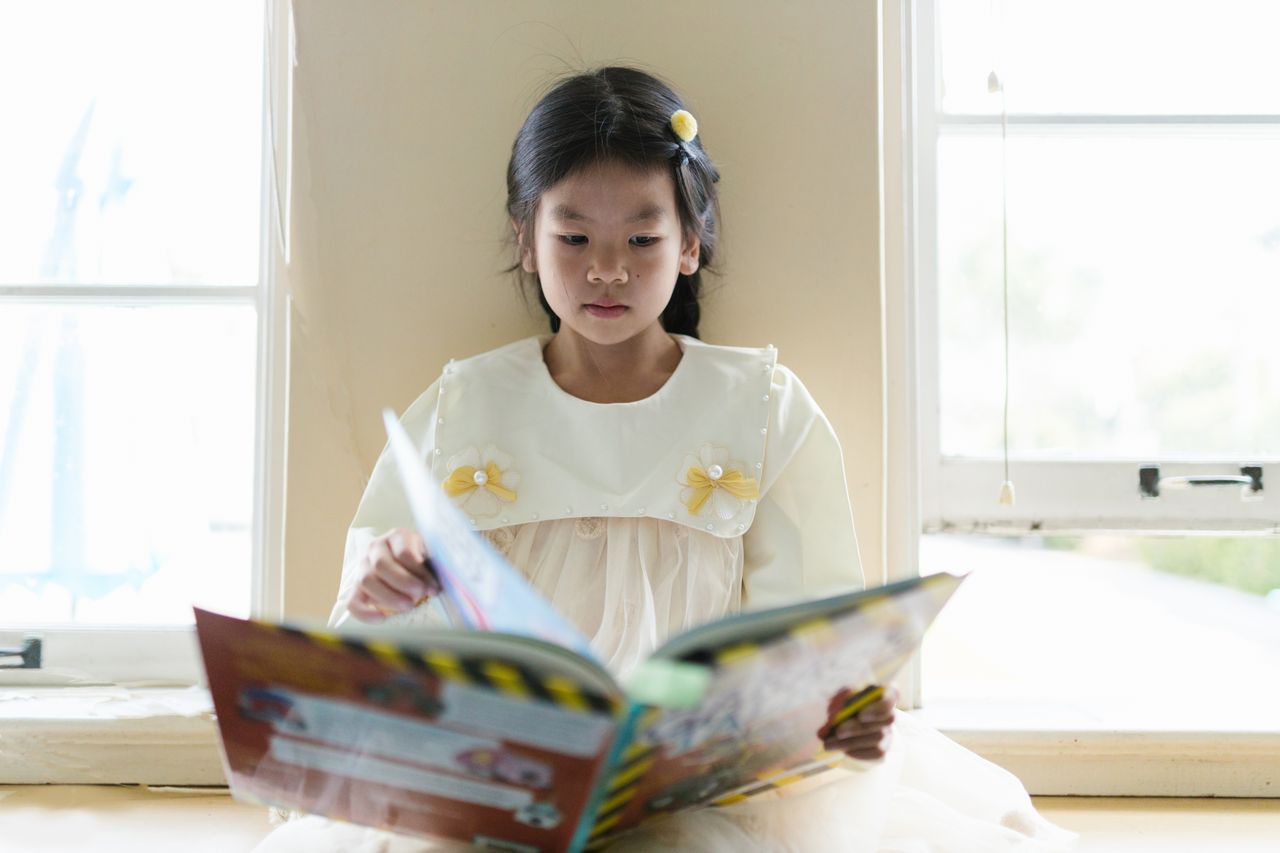
Children’s literature has played an important role in shaping young minds, encouraging imagination, and introducing readers to different cultures and ideas. From traditional fairy tales and folk stories to modern picture books and fantasy novels, books written for children have changed considerably over the centuries. What began largely as a way to teach moral values and religious lessons gradually developed into a diverse literary tradition that entertains, educates, and inspires young readers.
Understanding the history of children’s literature provides an interesting look at how childhood, education, and storytelling have evolved across different generations.
The Early Origins of Children’s Literature
Traditional Stories and Oral Storytelling
Before children’s books became widely available, stories were mainly shared through oral traditions. Parents, grandparents, and storytellers passed down folk tales, legends, myths, and fables from one generation to another.
These stories often featured animals, magical creatures, brave heroes, and important life lessons. Collections such as Aesop’s Fables and traditional tales from different cultures helped introduce children to ideas about kindness, honesty, courage, and responsibility.
In many societies, storytelling was an important part of family and community life. Although these stories were not always created specifically for children, their simple narratives and memorable characters made them appealing to younger audiences.
The First Printed Books for Children
The development of printing made written stories more accessible and gradually encouraged the production of books intended for younger readers. During the seventeenth and eighteenth centuries, educational and religious publications became increasingly important.
One influential example was John Newbery’s A Little Pretty Pocket-Book, published in 1744. It is widely recognised as an early milestone in the development of modern children’s publishing because it combined entertainment with educational content.
The Golden Age of Children’s Literature
The nineteenth century is often considered a significant period in the history of children’s books. Publishers and authors began creating imaginative stories that treated children as an important audience rather than simply presenting them with educational material.
Writers such as Lewis Carroll introduced unusual characters, playful language, and imaginative settings. His famous book Alice’s Adventures in Wonderland, published in 1865, became an influential work that encouraged creativity and challenged traditional storytelling conventions.
Other notable authors included Robert Louis Stevenson, whose Treasure Island introduced generations of readers to adventure storytelling, and Mark Twain, whose novels explored childhood through memorable characters and experiences.
Illustrations also became increasingly important during this period, making books more visually engaging for young readers.
Children’s Literature in the Twentieth Century
The twentieth century brought major changes to children’s publishing. Improvements in printing technology, education, and book distribution allowed more children to access literature.
Picture books became increasingly popular, combining colourful illustrations with simple narratives. Authors and illustrators experimented with different storytelling styles, helping children develop reading skills while enjoying entertaining stories.
Fantasy and adventure also became important literary categories. Works such as The Chronicles of Narnia by C. S. Lewis and The Hobbit by J. R. R. Tolkien introduced imaginative worlds that attracted readers across generations.
Children’s literature also began addressing subjects such as friendship, family relationships, personal identity, social challenges, and emotional development. This made stories more relatable to children from different backgrounds.
Modern Children’s Literature and Changing Themes
Contemporary children’s literature reflects the changing experiences and interests of young readers. Modern books explore a wide range of subjects, including cultural diversity, environmental awareness, inclusion, mental well-being, and personal growth.
Authors increasingly create characters from different communities and backgrounds, allowing children to recognise their own experiences while learning about others.
Digital publishing has also influenced how children discover stories. E-books, audiobooks, and interactive reading platforms provide additional ways to enjoy literature, although printed books continue to hold an important place in children’s reading experiences.
Why Children’s Literature Remains Important
Children’s books contribute to language development, imagination, and emotional understanding. Stories introduce new vocabulary, encourage curiosity, and help young readers understand different perspectives.
Reading also creates opportunities for meaningful conversations between children, parents, and teachers. Whether a story focuses on everyday experiences or imaginary adventures, it can help children develop a lifelong interest in learning and literature.
Conclusion
The history of children’s literature reflects centuries of storytelling, creativity, and changing educational ideas. From traditional oral tales and early printed books to modern fantasy novels and illustrated stories, children’s literature has continually adapted to the needs and interests of younger generations.