
Malaysian folktales offer a wonderful way to introduce children to traditional storytelling, cultural values, and the imagination of earlier generations. Passed down through families and communities, these stories feature clever animals, mysterious forests, brave characters, and magical events. They also reflect the diverse cultural heritage of Malaysia, bringing together storytelling traditions influenced by Malay, Chinese, Indian, and Indigenous communities.
Reading these stories with children can be more than an enjoyable activity. It creates opportunities to discuss kindness, honesty, courage, respect, and the importance of making thoughtful decisions. Parents and teachers can use familiar folktales to encourage curiosity while helping young readers understand the cultural traditions behind them.
Why Malaysian Folktales Are Worth Sharing
Traditional stories often contain lessons that remain meaningful across generations. Malaysian folktales introduce children to different ways of life, traditional beliefs, and the relationship between people and nature.
Many stories also use animals and imaginary characters to explain human behaviour. These characters make complicated ideas easier for younger readers to understand. Discussing their decisions and actions can encourage children to think about consequences, fairness, and personal responsibility.
Popular Malaysian Folktales for Children
Sang Kancil and the Crocodiles
Sang Kancil is one of the most recognisable characters in Malay folklore. This small mousedeer is famous for being intelligent and resourceful, often using clever ideas to overcome difficult situations.
In one popular story, Sang Kancil needs to cross a river filled with crocodiles. Instead of confronting the animals directly, he uses a clever trick to persuade them to line up across the water. He then jumps from one crocodile to another and safely reaches the opposite riverbank.
The story introduces children to the idea that intelligence and careful thinking can sometimes solve problems that physical strength cannot. Parents can discuss whether Sang Kancil’s actions were fair and why planning matters when facing a difficult situation.
Bawang Merah and Bawang Putih
Bawang Merah and Bawang Putih is a traditional Malay folktale about two stepsisters with very different personalities. Bawang Putih is generally portrayed as kind and hardworking, while Bawang Merah is selfish and often unkind.
Through a series of challenges and unexpected events, the story explores themes of patience, kindness, jealousy, and fairness. Different versions of the tale contain variations in their characters and endings.
Children can discuss how the characters treat one another and why kindness should not depend on receiving rewards. The story also provides an opportunity to talk about family relationships and the importance of treating others respectfully.
The Legend of Mahsuri
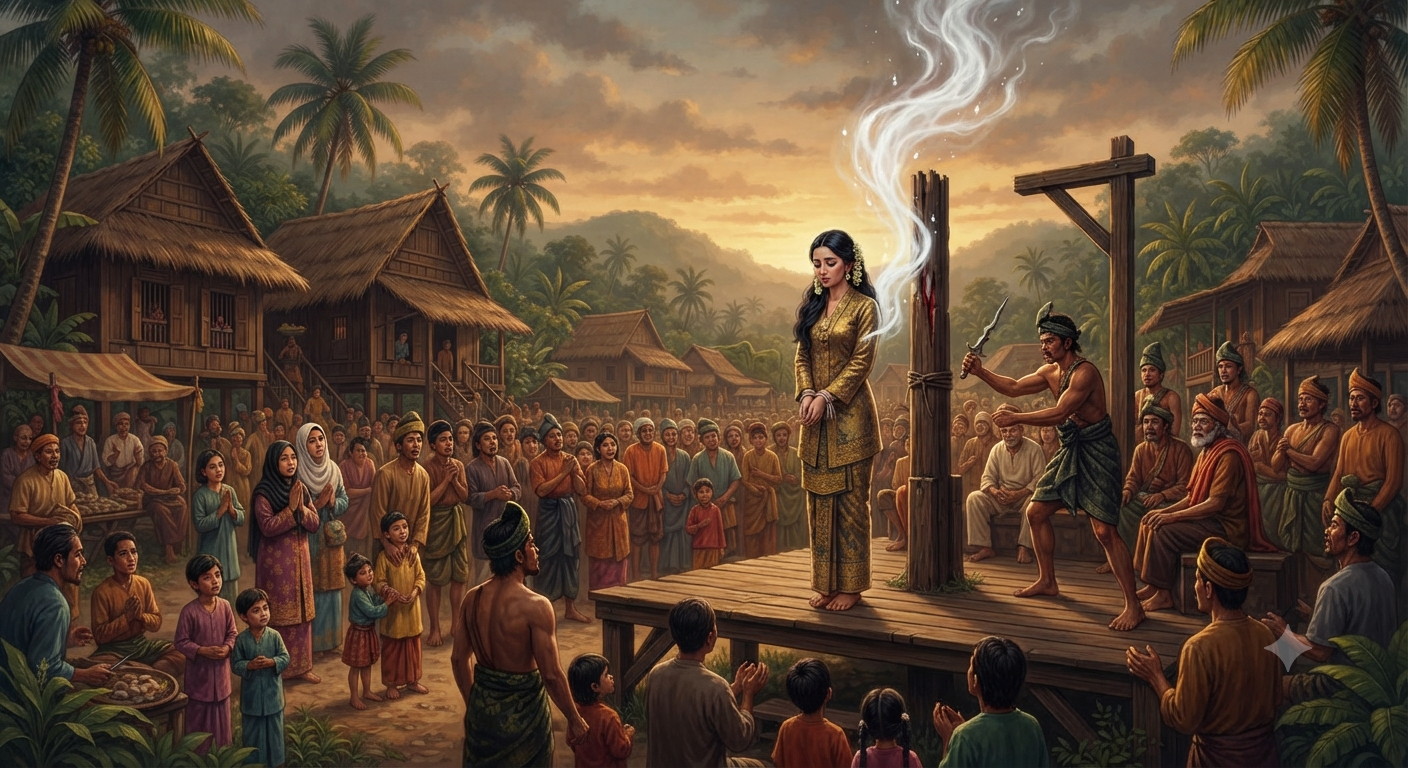
The legend of Mahsuri is closely associated with Langkawi and is one of Malaysia’s best-known traditional stories. It tells the tale of a woman who is wrongly accused of wrongdoing and suffers an unjust punishment.
According to the legend, Mahsuri declares that Langkawi will experience hardship for seven generations. The story has become an important part of the island’s cultural heritage.
Although some elements may require explanation for younger readers, the tale provides an opportunity to discuss justice, false accusations, honesty, and the importance of understanding the truth before judging someone.
The Legend of Puteri Gunung Ledang
Puteri Gunung Ledang is a famous Malay legend connected to a mysterious princess believed to live on Mount Ledang. The story describes a powerful ruler who wishes to marry her and receives a series of extraordinary conditions in response to his proposal.
The unusual demands make the story memorable and encourage discussions about ambition, respect, and the consequences of making unreasonable demands.
Children may enjoy exploring the magical elements while considering why personal wishes should not come at the expense of other people’s well-being.
How to Discuss Folktales With Children
Reading a traditional story becomes more engaging when children have opportunities to share their thoughts. Parents can ask which character they liked most, what they would have done differently, and whether they agree with the decisions made in the story.
Younger children may enjoy drawing their favourite scenes or imagining alternative endings. Older readers can compare different versions of the same folktale and explore how storytelling reflects cultural beliefs and historical traditions.
It is also useful to explain unfamiliar words, traditional customs, and cultural references without interrupting the enjoyment of the story.
Introducing Malaysian Culture Through Storytelling
Folktales provide a natural starting point for learning about Malaysia’s cultural diversity. Different communities have their own traditional stories, characters, and storytelling styles. Exploring these traditions helps children appreciate the country’s rich cultural background.
Parents and teachers can also connect stories with local geography, historical landmarks, traditional celebrations, and everyday customs. This makes reading a more meaningful learning experience rather than simply an activity focused on finishing a book.
Conclusion
Malaysian folktales offer children an enjoyable introduction to traditional storytelling while sharing valuable lessons about kindness, courage, intelligence, and justice. Stories such as Sang Kancil and the Crocodiles, Bawang Merah and Bawang Putih, Mahsuri, and Puteri Gunung Ledang continue to capture readers’ imaginations through memorable characters and cultural significance.