
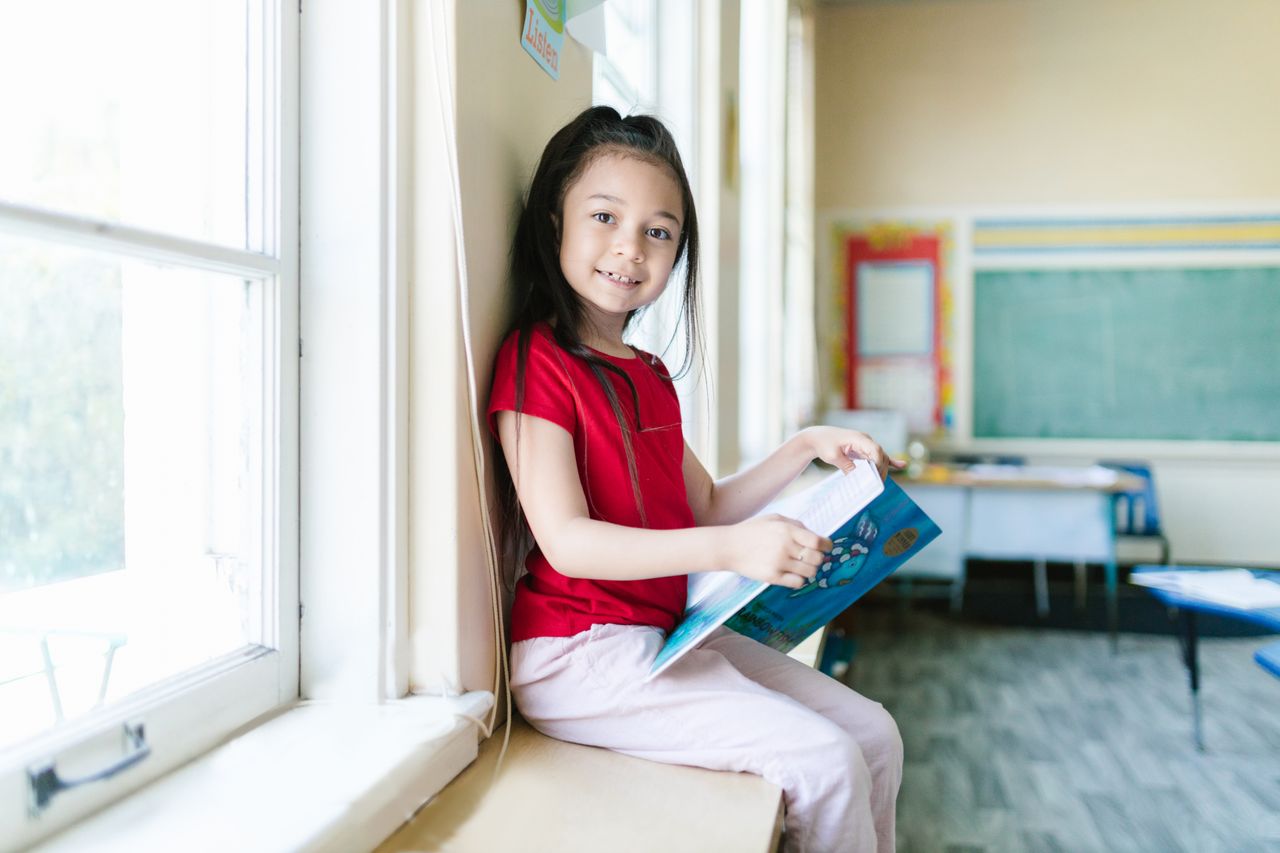
Children’s picture books introduce young readers to storytelling through a combination of written language and visual illustrations. Unlike books that depend mainly on text, picture books use artwork to communicate emotions, introduce characters, and show important events. Every page contributes to the overall experience, helping children understand a story even before they can read independently.
For young readers, the relationship between words and pictures makes storytelling more engaging and accessible. A simple sentence can become more meaningful when supported by an expressive illustration, while a detailed picture can introduce ideas that the written text does not directly explain.
The Importance of Words in Picture Books
Words provide the basic structure of a picture book. They introduce characters, establish settings, and guide readers through the events of a story. Authors carefully select vocabulary and sentence patterns to make the narrative suitable for a particular age group.
In books for younger children, sentences are often short and repetitive. This makes it easier for readers to recognise familiar expressions and remember important parts of the story. Repeated phrases can also encourage children to participate during reading sessions by predicting or repeating what comes next.
As children become more confident readers, picture books may introduce longer sentences, descriptive language, dialogue, and more developed storylines. These elements gradually expand vocabulary and strengthen reading comprehension.
How Illustrations Bring Stories to Life
Creating Characters Through Visual Details
Illustrations help children understand characters through their appearance, expressions, and body language. A smiling face may suggest happiness, while a character standing alone with lowered shoulders might communicate sadness or uncertainty.
These visual details allow children to recognise emotions without needing lengthy explanations. They also help young readers develop an understanding of how people express feelings through actions and facial expressions.
Building the Story’s Setting
The artwork in a picture book often establishes where and when a story takes place. Illustrations may show a busy city, a quiet countryside village, a magical forest, or an imaginary world.
Background details can provide additional information about the characters and their surroundings. Even small visual elements, such as weather conditions, furniture, or objects in a room, can help readers understand the atmosphere of a particular scene.
Showing Action and Movement
Pictures make it easier for children to follow events as they happen. An illustration might show a character climbing a tree, running towards a friend, or discovering something unexpected.
These visual sequences help readers understand the relationship between different events. They also encourage children to predict what might happen on the next page.
How Words and Pictures Work Together
The strongest picture books create a meaningful relationship between their written and visual elements. Sometimes illustrations repeat information already mentioned in the text, helping younger children understand the story more clearly.
In other cases, pictures provide additional details that are not explained through words. An illustration might reveal a hidden character in the background or show an object that becomes important later in the narrative.
This combination encourages children to look carefully at each page rather than simply listening to or reading the sentences. It also creates opportunities for conversations about details that might otherwise go unnoticed.
The Role of Colour, Shape, and Visual Style
Colour plays an important role in how children experience picture books. Bright colours can create an energetic atmosphere, while softer shades may communicate calmness or warmth. Illustrators also use different artistic styles to establish the personality and mood of a story.
Some picture books feature realistic drawings, while others use imaginative characters, exaggerated proportions, or abstract shapes. These visual choices help create distinctive storytelling experiences and introduce children to different forms of artistic expression.
The arrangement of images on a page also matters. Large illustrations can highlight important moments, while smaller pictures may show a sequence of actions or additional details.
Why Picture Books Support Children’s Development
Picture books offer several learning opportunities beyond basic reading practice. They help children connect words with visual information, recognise emotions, develop vocabulary, and understand how stories are organised.
Looking at illustrations also encourages observation and imagination. Children may notice details, ask questions, or create their own explanations about what is happening in a scene.
Reading picture books together can strengthen communication between parents, teachers, and children. Asking questions about characters, colours, and events makes reading an interactive experience rather than a passive activity.
Conclusion
Children’s picture books demonstrate how words and illustrations can work together to create engaging stories. Written language provides structure and meaning, while artwork communicates emotions, develops settings, and adds visual information that enriches the narrative.